What Makes the Monstera Albo Special
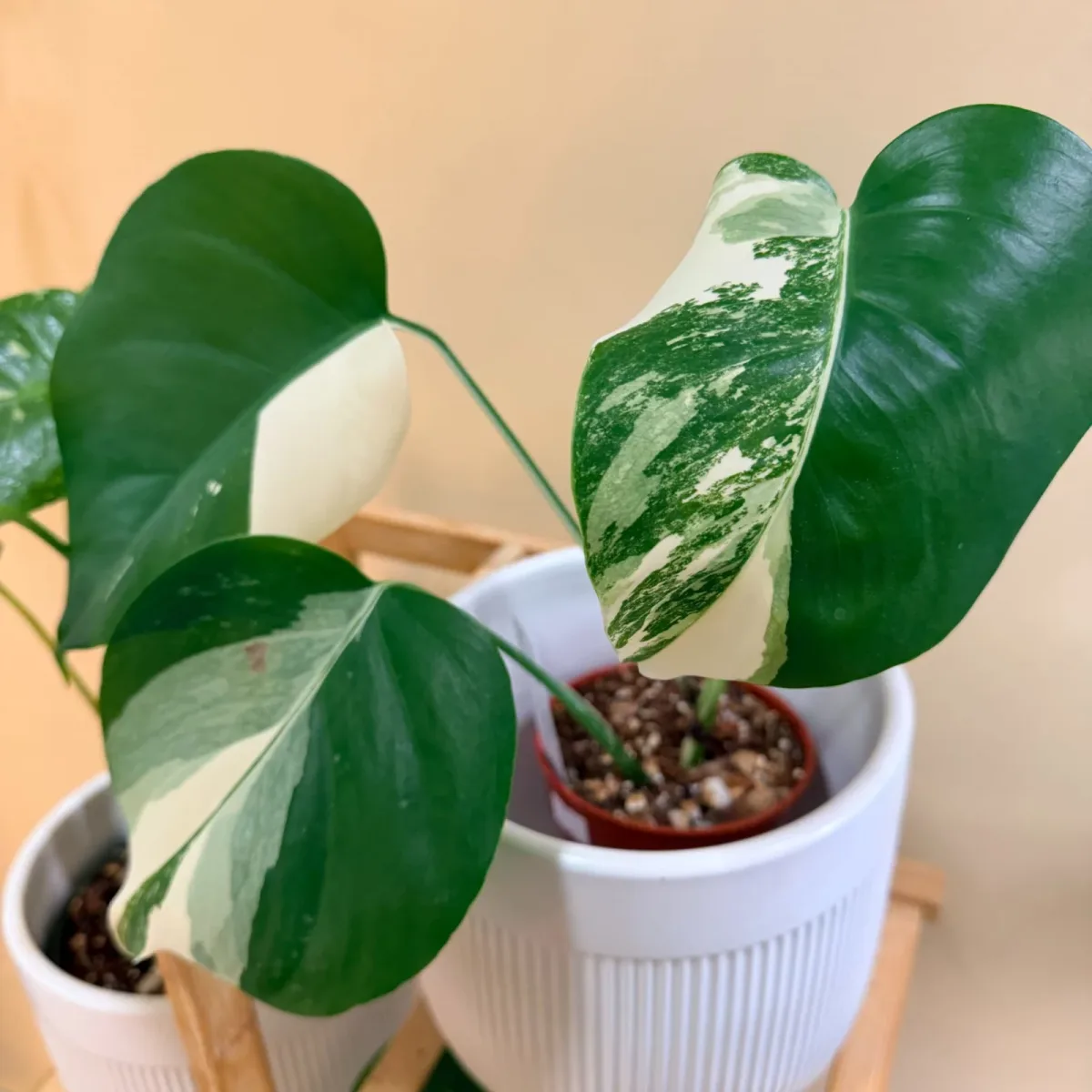
Unlike the standard Monstera deliciosa, the Albo produces leaves splashed with white in patterns that range from fine marbling to dramatic half-moon blocks. Because the variegation is chimeric rather than viral, it carries through cuttings but stays unpredictable leaf to leaf: each new one is a small surprise. That combination of rarity and visual impact is why collectors across Canada actively seek this plant out. We carry Monstera Albo at My Jungle Roots alongside several other Monstera varieties; browse the full range on our Monstera shop page.
Light Requirements
Monstera Albo needs bright indirect light to look its best and stay healthy. A spot near an east- or west-facing window with filtered light is ideal. Too little light causes the green sections to weaken and can lead to the plant producing increasingly green, less variegated leaves over time. Avoid harsh direct sun, especially on the white portions of the leaf, which have no chlorophyll and scorch easily. In Canadian winters, when daylight hours shrink considerably, a quality grow light placed close to the plant helps maintain steady growth.
Watering and Soil
Water when the top half of the soil is dry, then let the pot drain completely. Monstera Albo does not tolerate soggy roots; standing water at the base of the pot is one of the fastest ways to invite root rot. A chunky, well-draining aroid mix, built with ingredients like coco coir, perlite, and orchid bark, gives the roots the air circulation they need. In winter, growth naturally slows, so check soil moisture before watering rather than following a fixed schedule. If you are running a grow light and keeping temperatures warm, your plant may stay more active than a typical winter dormancy would suggest.
Variegation: Keeping the Balance
The white sections of an Albo leaf are beautiful precisely because they contain no chlorophyll, which also makes them the most vulnerable part of the plant. Too much white on a leaf means less energy the plant can produce through photosynthesis; too much green means the variegation may gradually diminish as the plant favours more productive tissue.
Bright indirect light is the single most effective tool for keeping this balance stable:
- More light supports the white sections and encourages the plant to maintain them.
- Consistent warmth and humidity reduce stress, which can otherwise push the plant toward producing greener growth.
- If a new stem consistently produces nearly all-white or nearly all-green leaves, pruning back to a node with better variegation can redirect growth.
Humidity, Temperature, and Support
Monstera Albo thrives in warm, humid conditions. Aim for humidity above 60 percent where possible; a humidifier is more reliable than a pebble tray in a dry Canadian home, particularly in winter when forced-air heating pulls moisture from the air. Keep the plant away from cold windows and exterior drafts, which can shock the roots and cause leaf damage even without a freeze.
Providing a moss pole or support encourages the Albo to climb, which is how it grows in nature. Climbing triggers the production of larger, more fenestrated leaves, and the variegation on mature leaves tends to be more dramatic than on juvenile growth. Repot every one to two years when roots begin circling the bottom of the pot.
Common Problems and How to Fix Them
- Brown leaf tips: usually caused by low humidity or inconsistent watering; raise humidity and check your watering routine.
- Yellow leaves: most often overwatering or poor drainage; let the soil dry further between waterings and confirm the pot drains freely.
- Variegation fading toward green: the plant needs more light; move it closer to a bright window or add a grow light.
- Black or mushy patches on stems or roots: a sign of root rot; unpot the plant, trim any affected roots, and repot into fresh dry mix.
- Slow or stalled growth in winter: normal in low light; supplement with a grow light and reduce watering frequency until spring.
Pet Safety
Monstera Albo is toxic to cats and dogs. All parts of the plant contain insoluble calcium oxalate crystals, which cause oral irritation, drooling, and difficulty swallowing if chewed or ingested. Keep the plant out of reach of pets and children. If ingestion is suspected, contact your veterinarian or nearest emergency animal hospital right away. If you are looking for plants that are safer around animals, our pet-safe collection is a good place to start.
Ordering and Shipping in Canada
We stock Monstera Albo at our shop in Hanover, Ontario, and ship live plants Canada-wide on Mondays so they never sit in a depot over a weekend. During cold months, orders include heat packs to protect plants in transit. For full details on shipping costs and policies, see our shipping rates. You can also find our complete Monstera care guide if you want a deeper look at the genus beyond the Albo specifically.