What Makes an Aroid "Rare"
Most aroids belong to the Araceae family, a group that includes Monstera, Philodendron, and Alocasia. Within that family, certain cultivars stand out for unusual leaf shapes, unstable or lab-stabilized variegation, or simply slow propagation rates that keep supply tight. "Rare" in the houseplant world usually means one of three things: the plant is difficult to propagate at scale, it produces highly variable or striking coloration, or it has only recently entered the hobby and supply has not yet caught up with demand. The plants below tick at least one of those boxes.
Monstera Albo and Thai Constellation
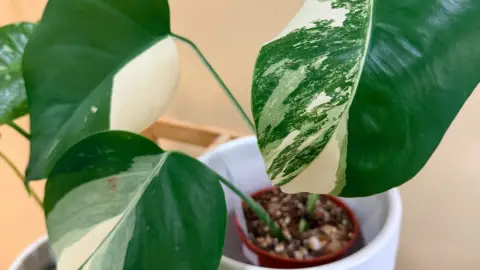
Two Monstera cultivars consistently top collector wish lists. The Monstera Albo (short for Monstera deliciosa 'Albo-Variegata') produces creamy white marbling across its iconic fenestrated leaves. Because its variegation is chimeric rather than genetic, each leaf is unpredictable, which is part of the appeal. The Monstera Thai Constellation, by contrast, was originally lab-propagated and carries stable, creamy speckling across large, show-stopping leaves. Both are currently in our Monstera collection, which runs to 25 varieties. Note that Monstera is toxic to cats and dogs, so plan placement carefully if you share your home with pets.
Philodendron Florida and Paraiso Verde
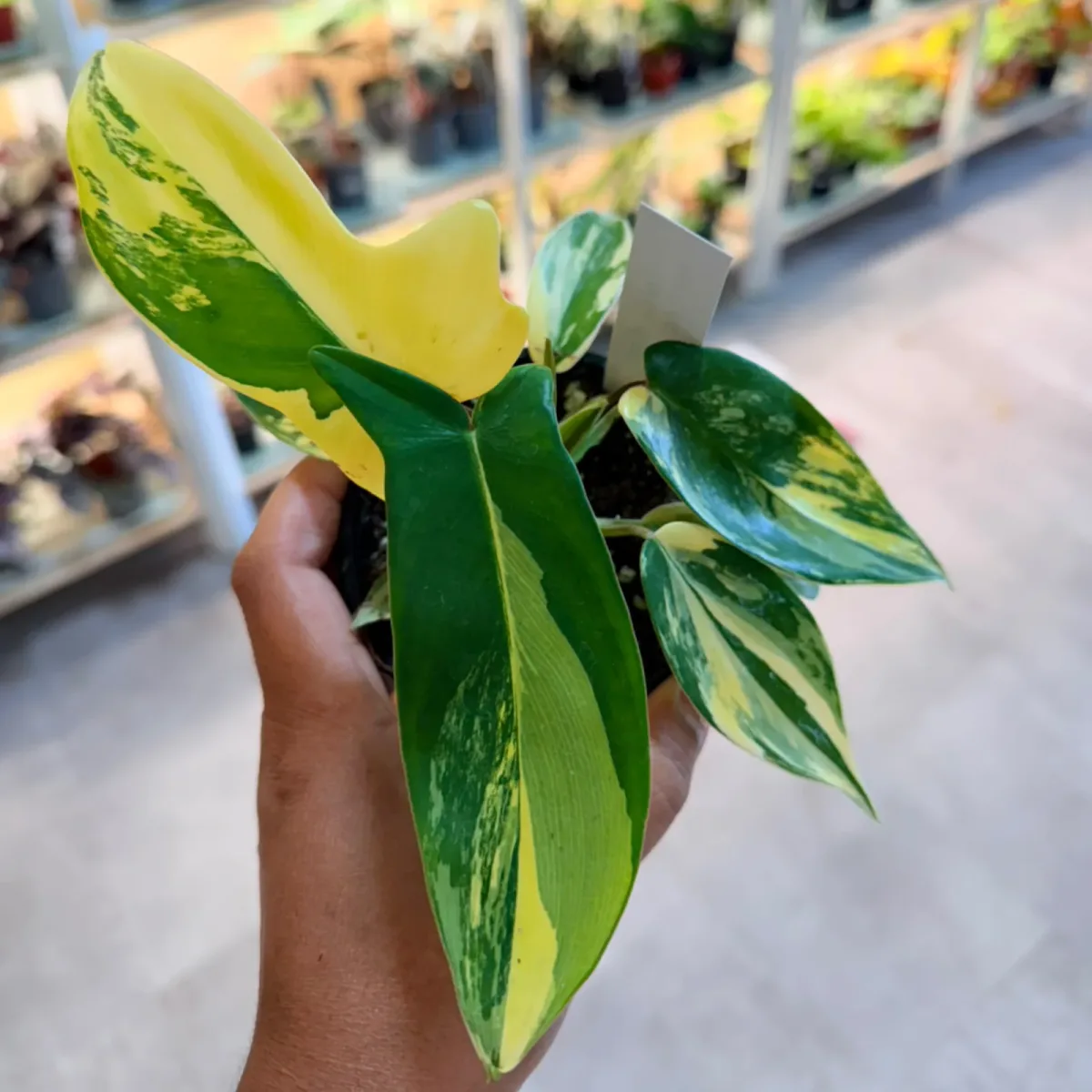
Our Philodendron collection includes some genuinely unusual cultivars worth knowing. The Philodendron Florida is recognized by its multi-lobed, textured leaves and reddish stems, a combination that looks nothing like the typical heartleaf. The Philodendron Paraiso Verde offers long, narrow leaves with a subtle silvery sheen that photographs beautifully and looks equally good in person. Both are available now alongside 39 total Philodendron listings. Keep in mind that all Philodendron are toxic to cats, dogs, and humans, so placement matters if you share your home with pets or small children. Our Philodendron care guide covers light, watering, and common problems in detail.
Alocasia: Compact Drama
Alocasia earns its place on any rare-aroid list through sheer visual impact. The Alocasia Frydek features deep green, velvety leaves with bright white veining that almost glows under grow lights. The Alocasia Jacklyn is a newer arrival with deeply lobed, almost skeletal leaves that look more like a botanical illustration than a real plant. Both stay manageable in size compared to the larger Alocasia species, making them realistic choices for apartment growers. We currently carry 11 Alocasia varieties; browse the full range and read up on their care needs in our Alocasia care guide. All Alocasia are toxic to pets and humans, so keep them out of reach of cats, dogs, and children.
Caring for Rare Aroids
Rare does not have to mean difficult, but these plants do share a few preferences worth respecting.
- Light: All three genera do best in bright indirect light. Direct sun bleaches variegated leaves quickly; a north or east window with a sheer curtain is a reliable starting point.
- Water: Let the top half of the soil dry out before watering, and always use a pot with drainage. Root rot is the most common way collectors lose expensive plants.
- Humidity: Most aroids appreciate humidity above 50 percent. A pebble tray, grouping plants together, or a small humidifier all help.
- Substrate: A chunky, well-aerated mix drains faster and reduces rot risk. Our substrate blends are formulated with aroids in mind.
How to Order from My Jungle Roots
We are based in Hanover, Ontario, and ship live plants on Mondays so they never sit in a depot over a weekend. Heat packs are included during cold weather to protect plants in transit. If you are in the area, the shop is a straightforward visit; if you are in Bruce County, Grey County, or surrounding communities, we are typically a 30-60 minute drive away, or Monday shipping gets plants to your door anywhere in Canada. For full details on shipping, see our shipping rates.
The full rare-aroid selection, including everything listed here, lives on our rare aroids page.