Sunlight
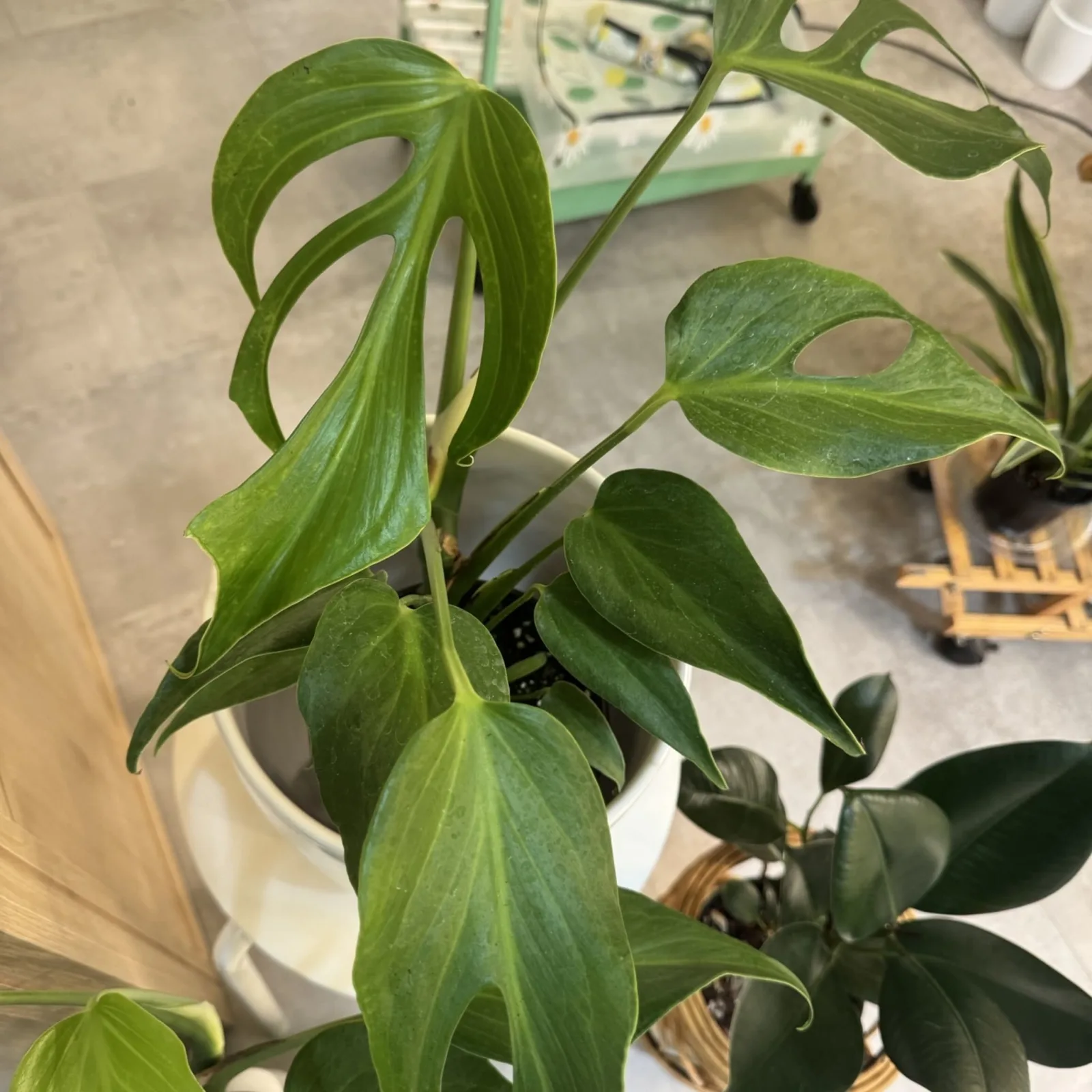
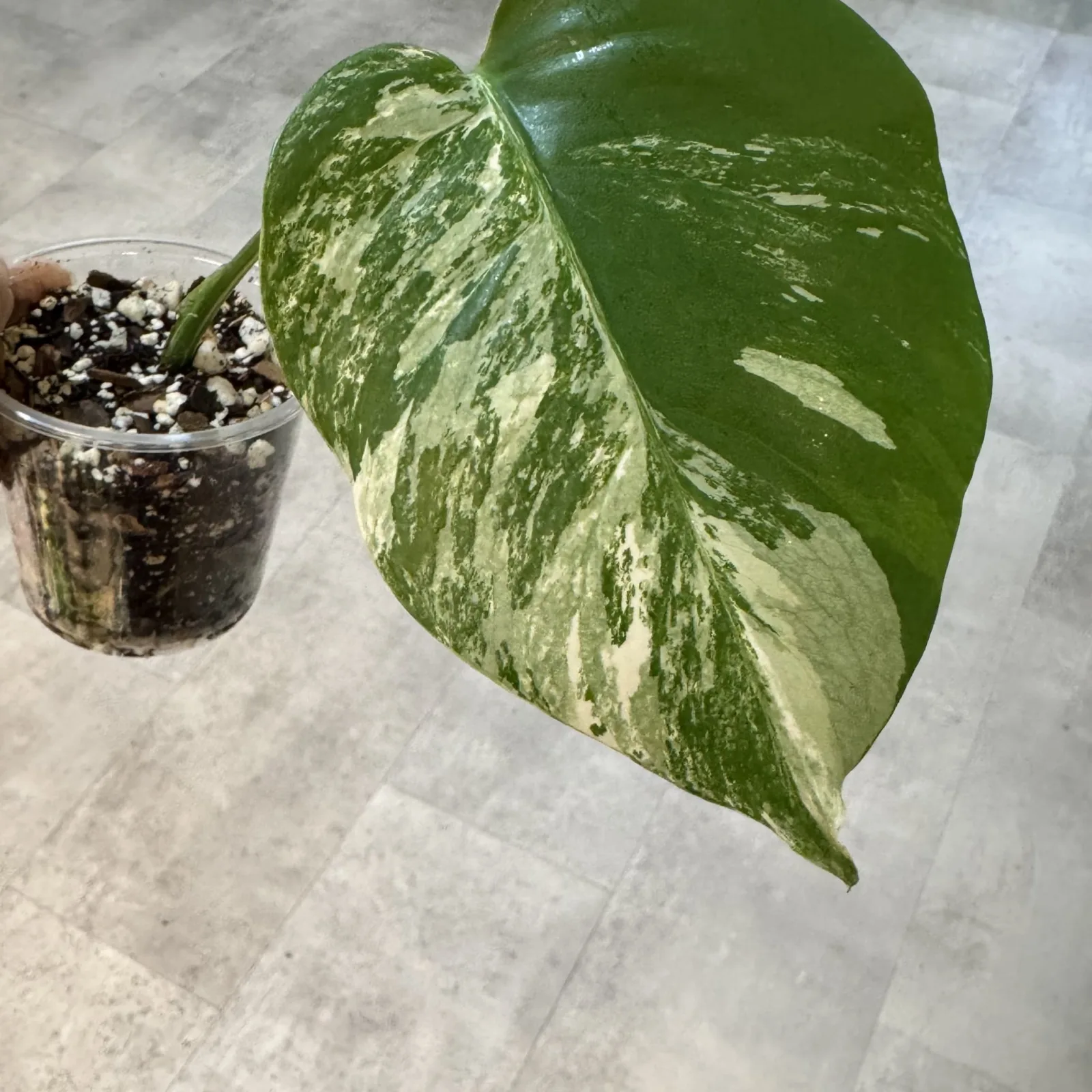
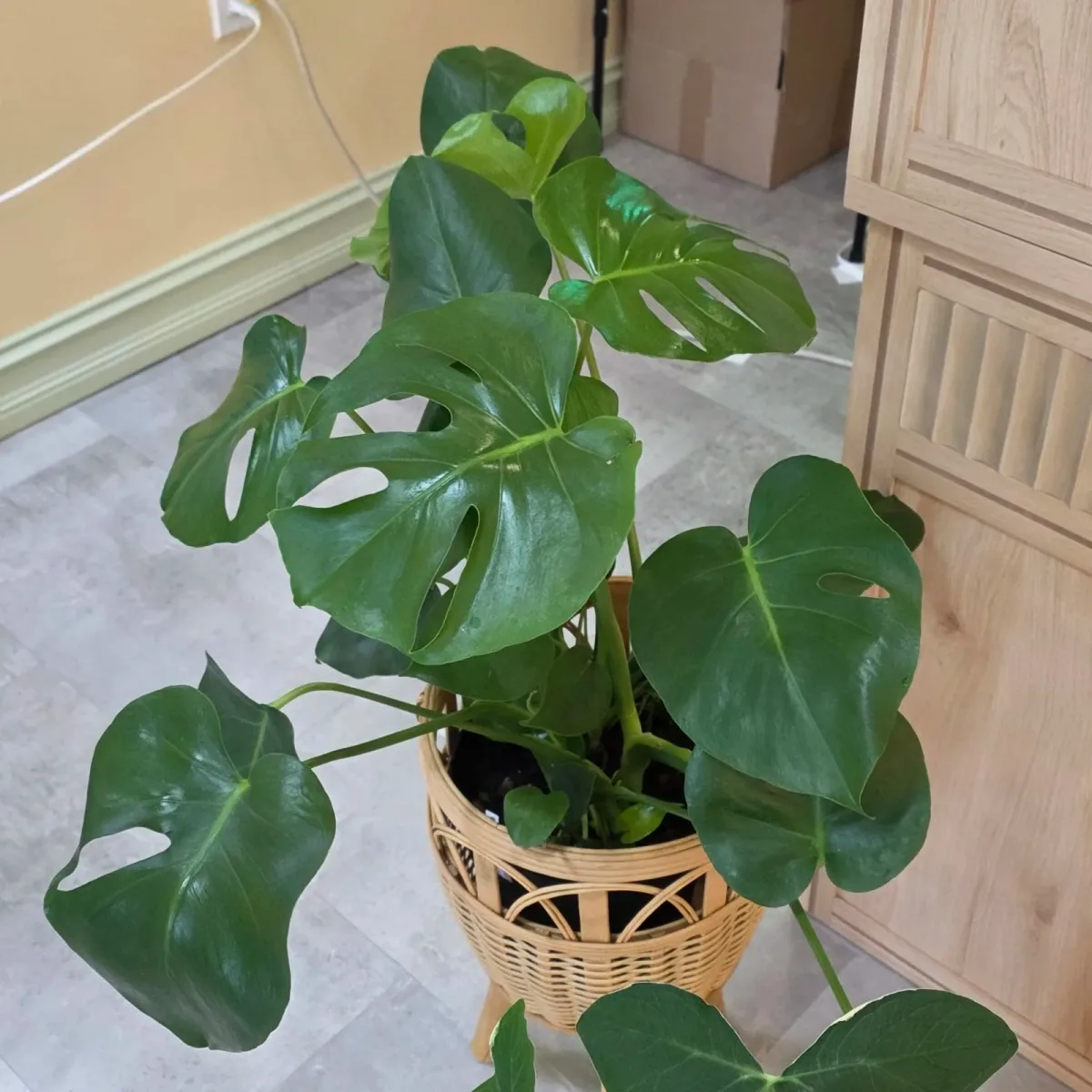
Monstera thrive in bright indirect light, such as a spot a metre or two back from a south- or west-facing window. They adapt to medium light but will produce fewer fenestrations and grow more slowly. Avoid direct midday sun, which scorches the large leaves and fades their deep green colour.
Water
Water thoroughly when the top half of the soil is dry, then allow the pot to drain completely. Monstera prefer to dry out slightly between waterings rather than sit in consistently wet soil. In winter, reduce frequency as growth slows and the plant needs less moisture overall.
Toxicity
Toxic to cats, dogs, and humans. All parts of Monstera contain insoluble calcium oxalate crystals, which cause intense burning, swelling, and irritation of the mouth, tongue, and throat upon contact or ingestion, often accompanied by drooling, pawing at the mouth, and difficulty swallowing. Keep Monstera out of reach of pets and children. If ingestion is suspected, contact your veterinarian or nearest emergency animal hospital immediately.
Common Problems
Yellowing leaves are typically a sign of overwatering or poor drainage; always check that the pot has drainage holes and let the soil dry appropriately between waterings. Brown, crispy leaf edges usually indicate low humidity or inconsistent watering, both of which are easy fixes with a pebble tray or small humidifier nearby. Root rot is a serious risk if the plant sits in standing water, so repot into fresh well-draining mix if you notice a musty smell or soft, dark roots. Thrips and spider mites occasionally appear, especially in dry indoor air; inspect leaves regularly and treat early with neem oil or insecticidal soap.