Sunlight
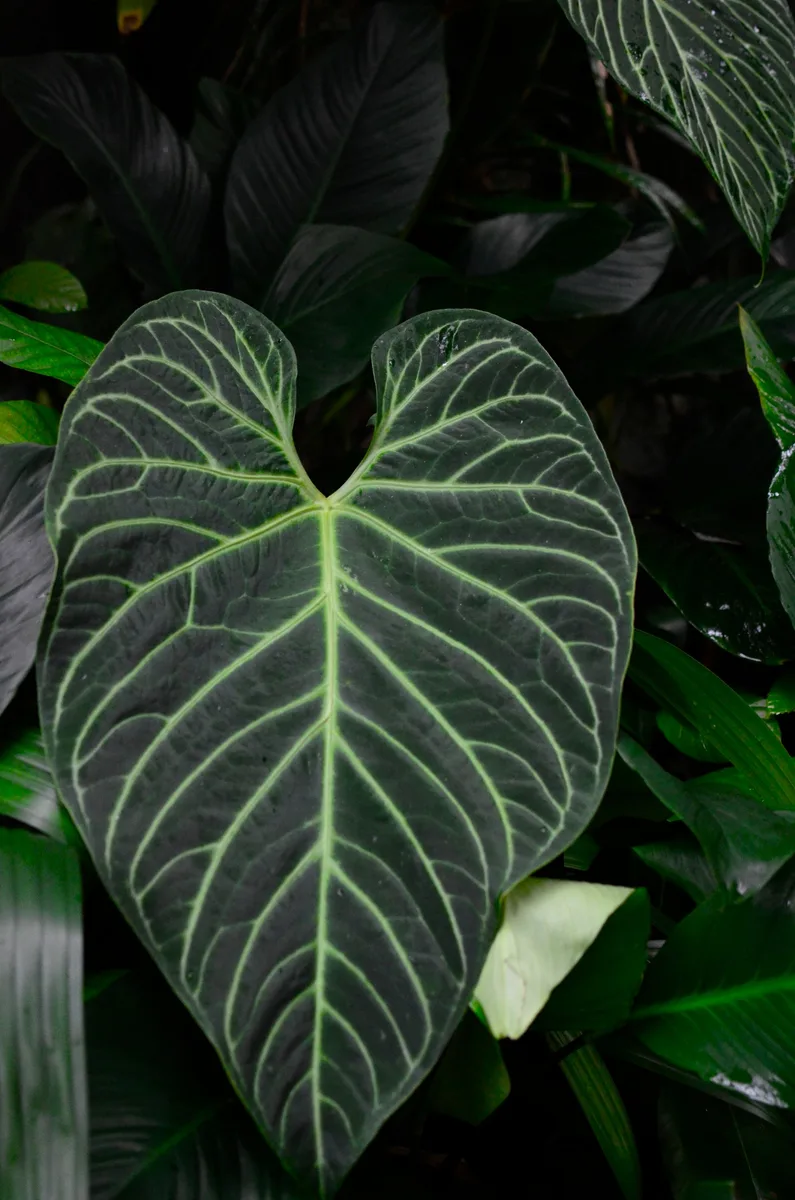
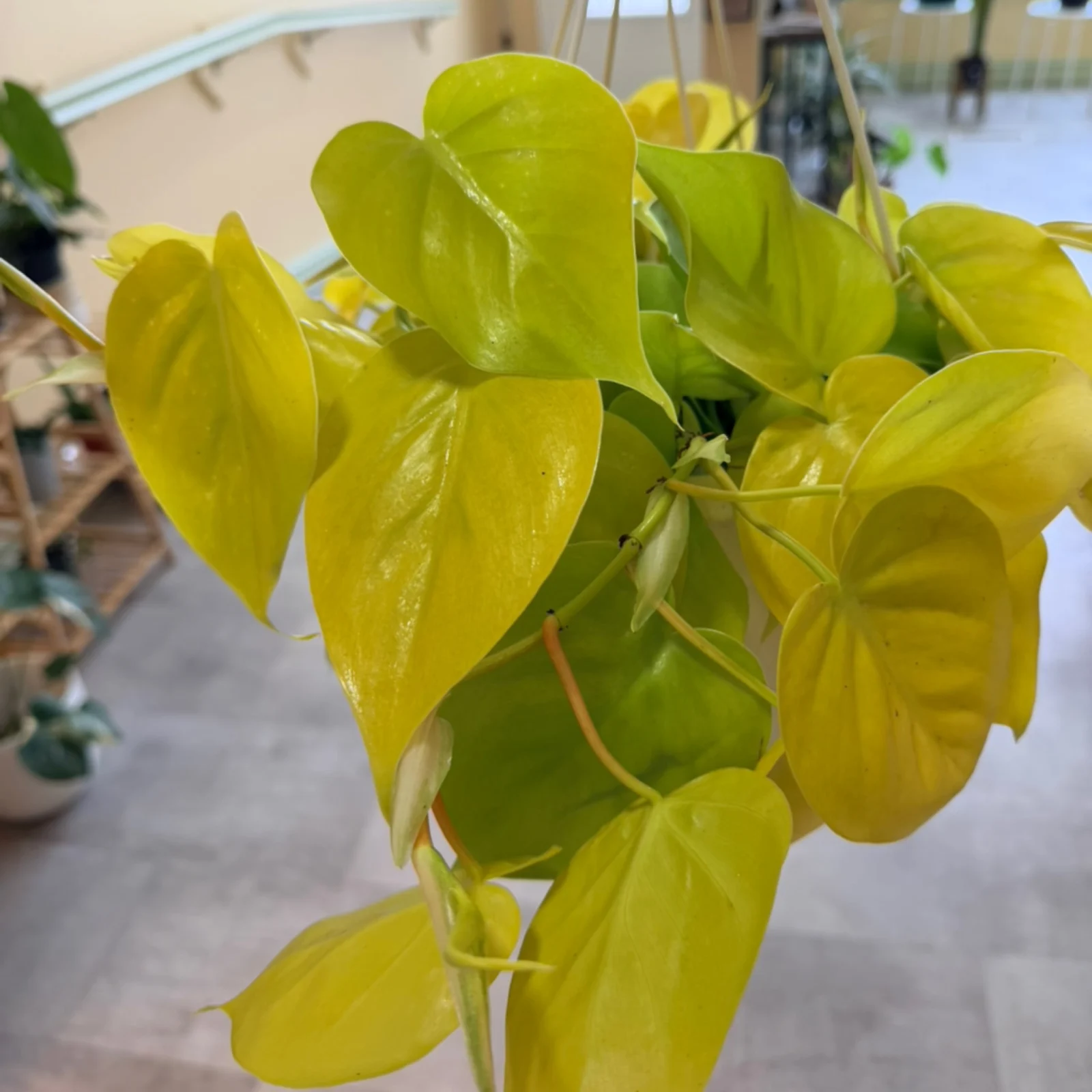
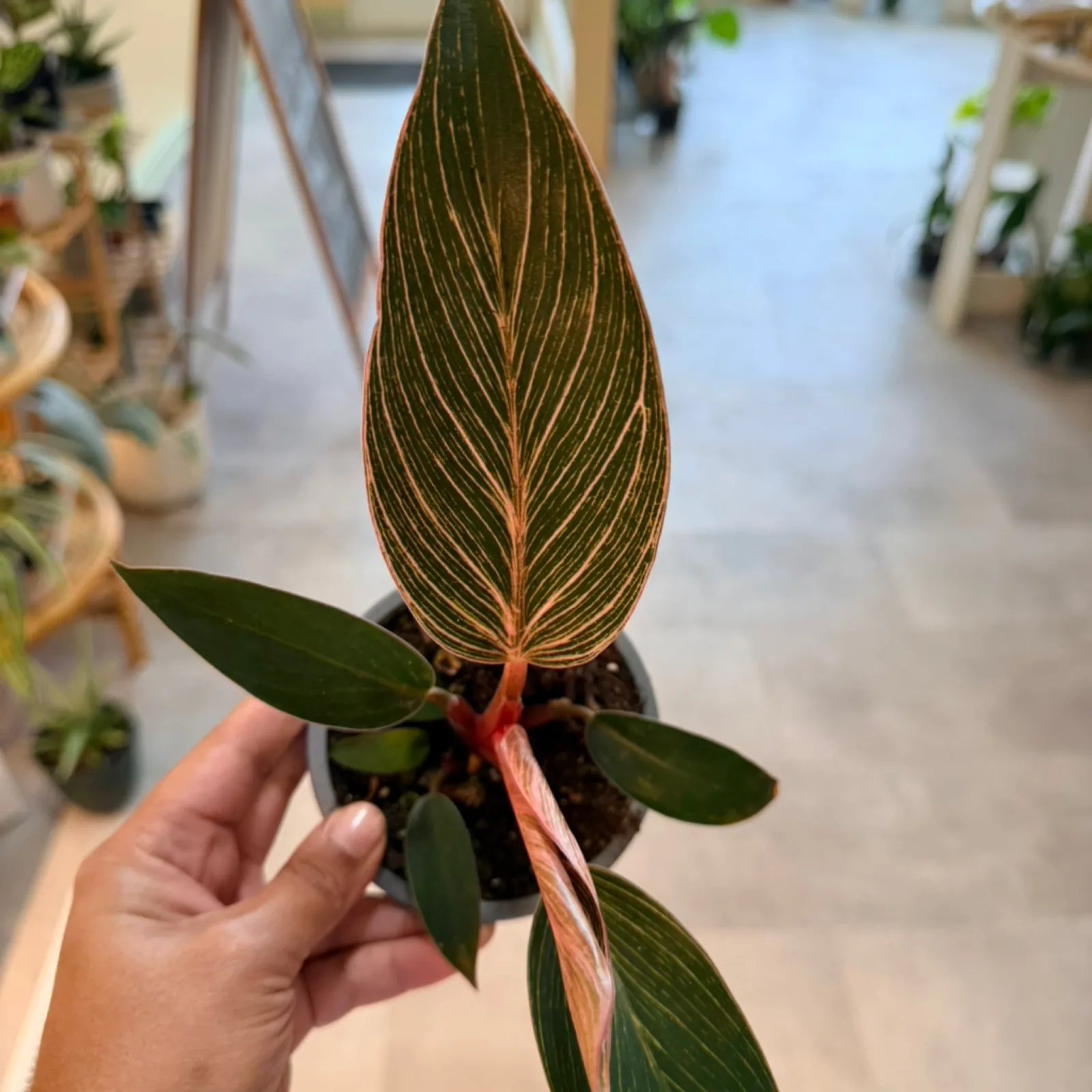
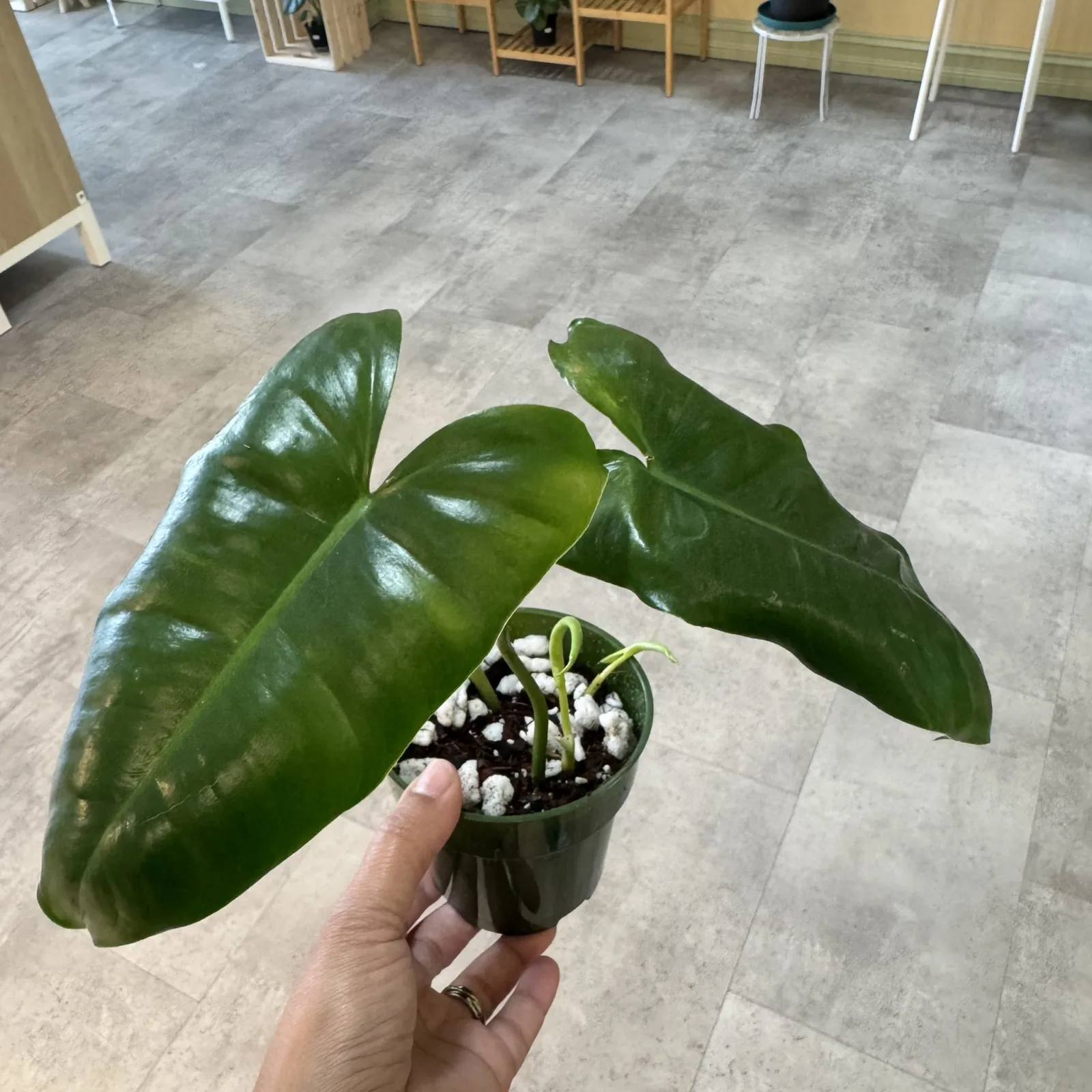
Philodendron grows best in bright indirect light, placed a metre or so back from a sunny window where direct rays cannot scorch the leaves. Most varieties tolerate medium light reasonably well, though variegated cultivars need more light to maintain their patterns. Avoid deep shade, which causes long, weak growth and dull colouring.
Water
Water when the top half of the soil is dry, then water thoroughly until it runs from the drainage holes. Philodendron appreciates consistent moisture but is highly susceptible to root rot if the soil stays soggy. In winter, reduce watering frequency to match the plant's slower growth rate.
Toxicity
Toxic to cats, dogs, and humans. All parts of Philodendron contain insoluble calcium oxalate crystals, which cause intense burning and irritation of the mouth, lips, tongue, and throat upon contact or ingestion, along with drooling, pawing at the mouth, and difficulty swallowing. Keep this plant well out of reach of pets and children. If ingestion is suspected, contact your veterinarian or nearest emergency animal hospital immediately.
Common Problems
Yellowing leaves are the most frequent complaint and usually point to overwatering or poor drainage; always check soil moisture before reaching for the watering can. Leggy, stretched growth with long internodes is a sign the plant is not receiving enough light. Mealybugs and spider mites occasionally move in, particularly in dry indoor conditions, so inspect the leaf undersides regularly and treat early with insecticidal soap or neem oil..