Sunlight
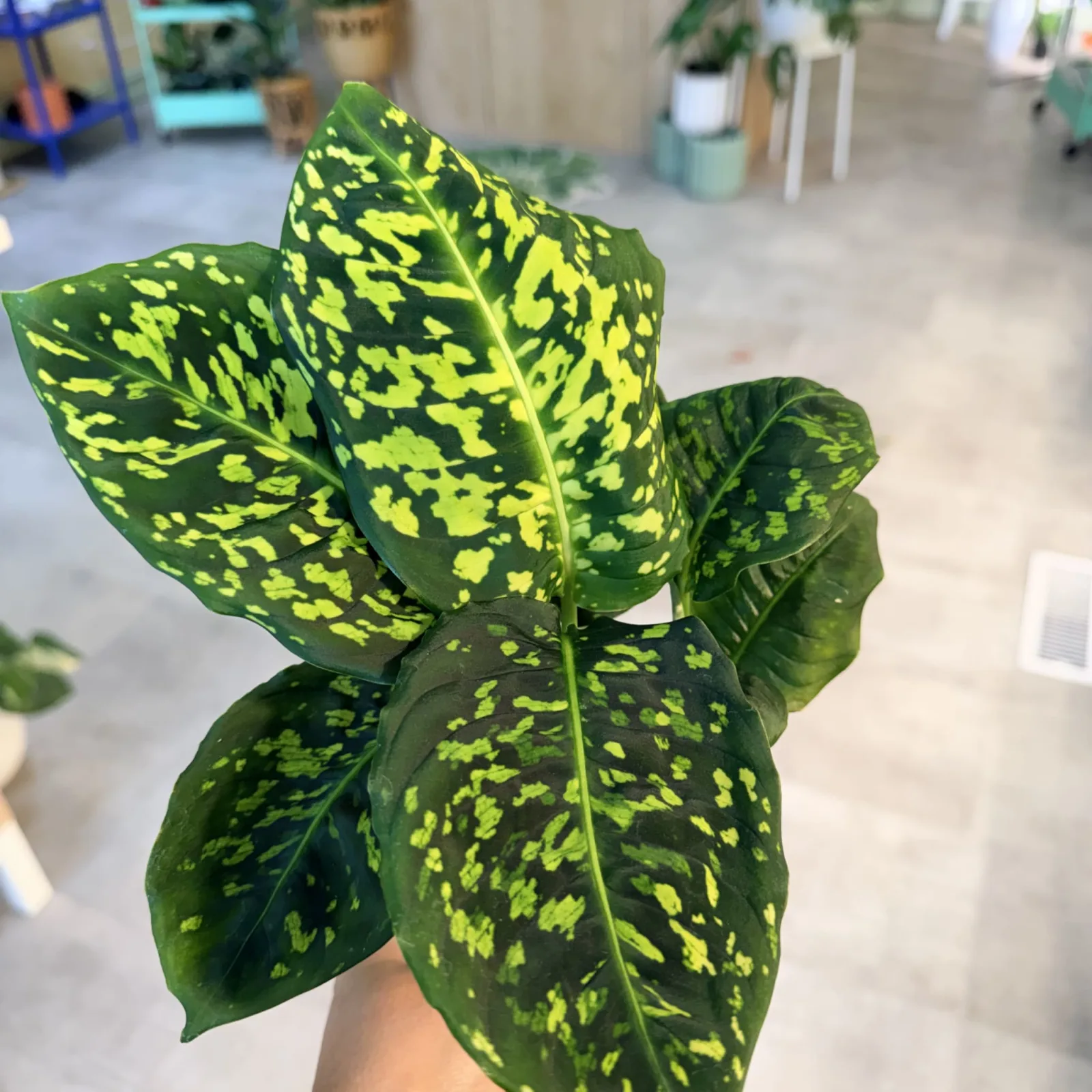
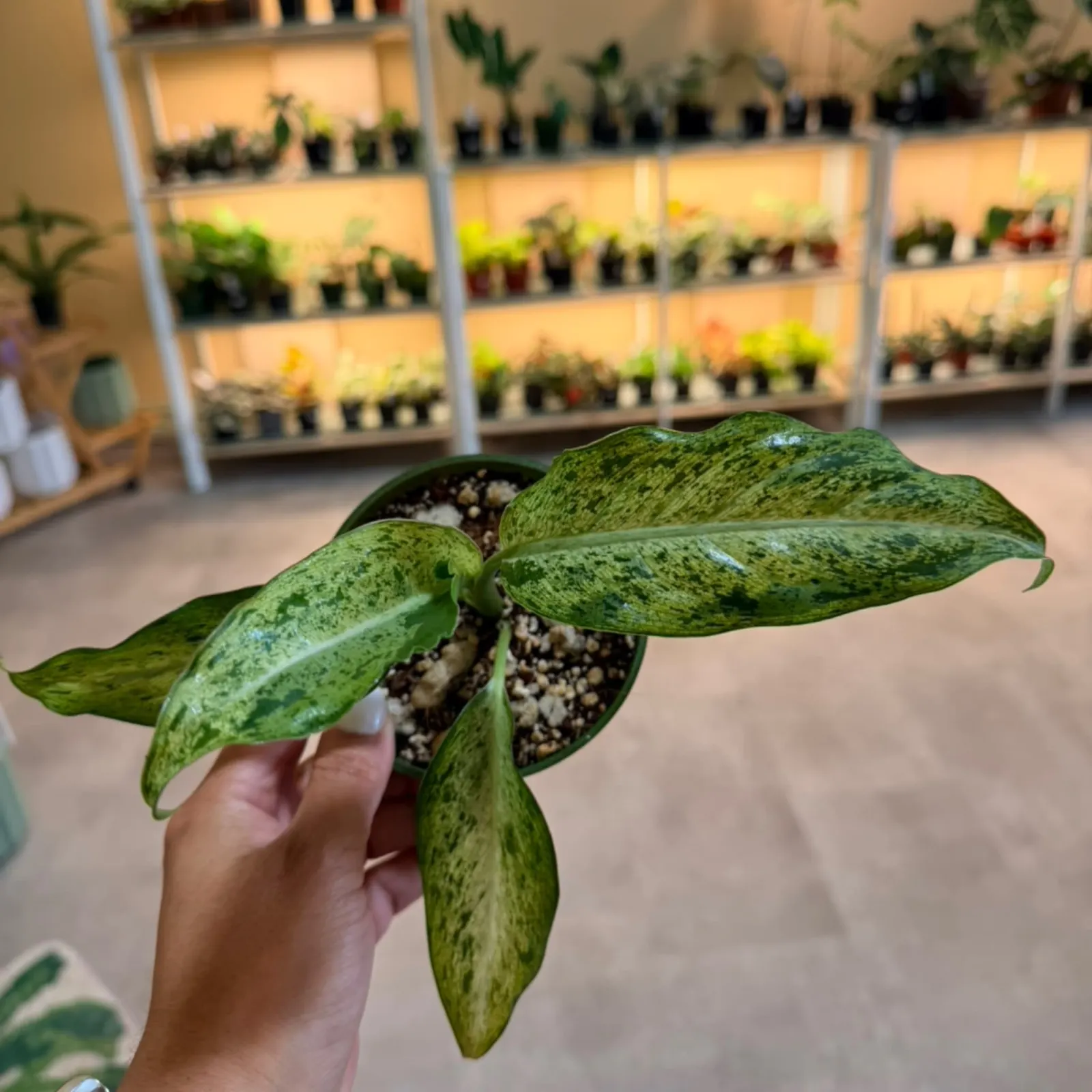
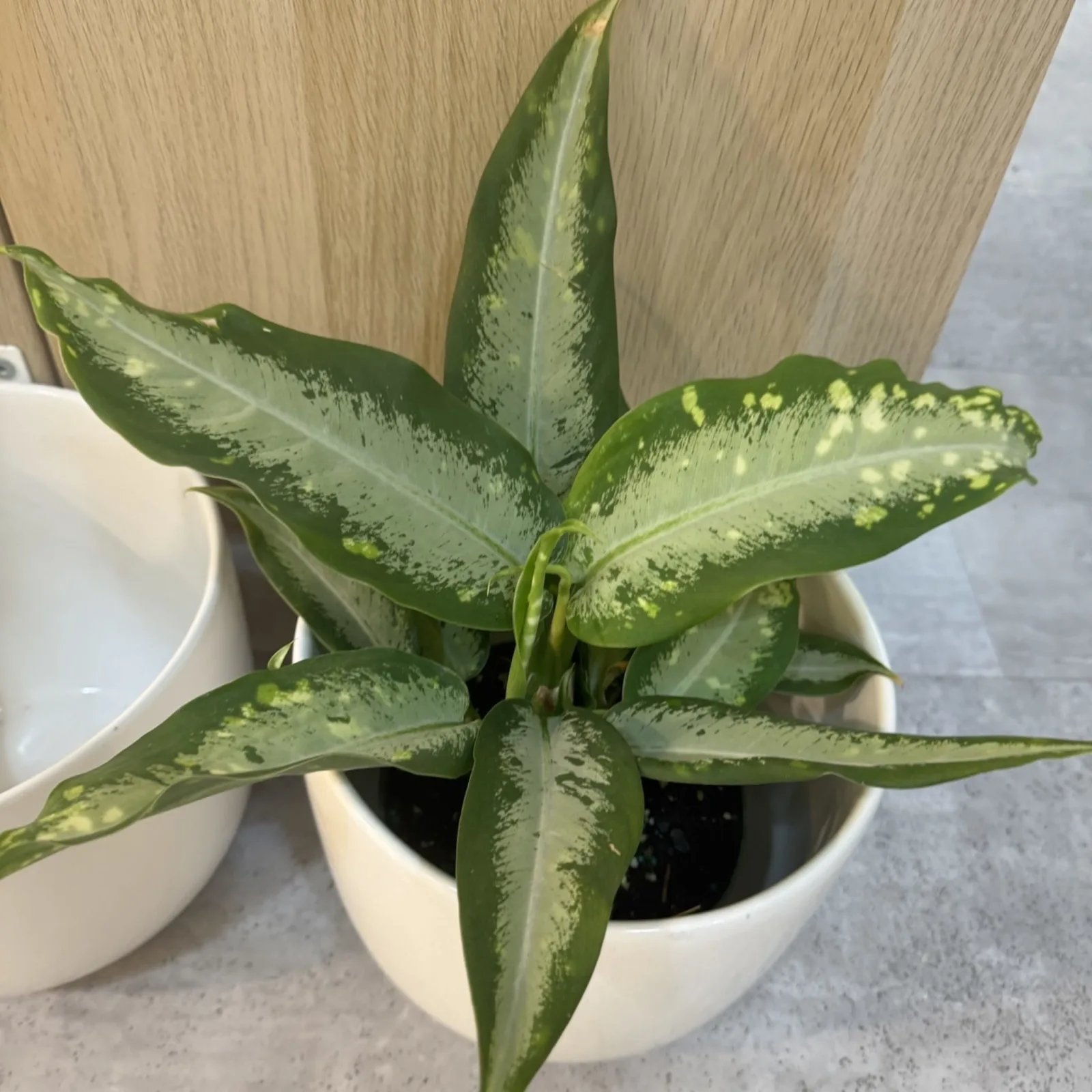
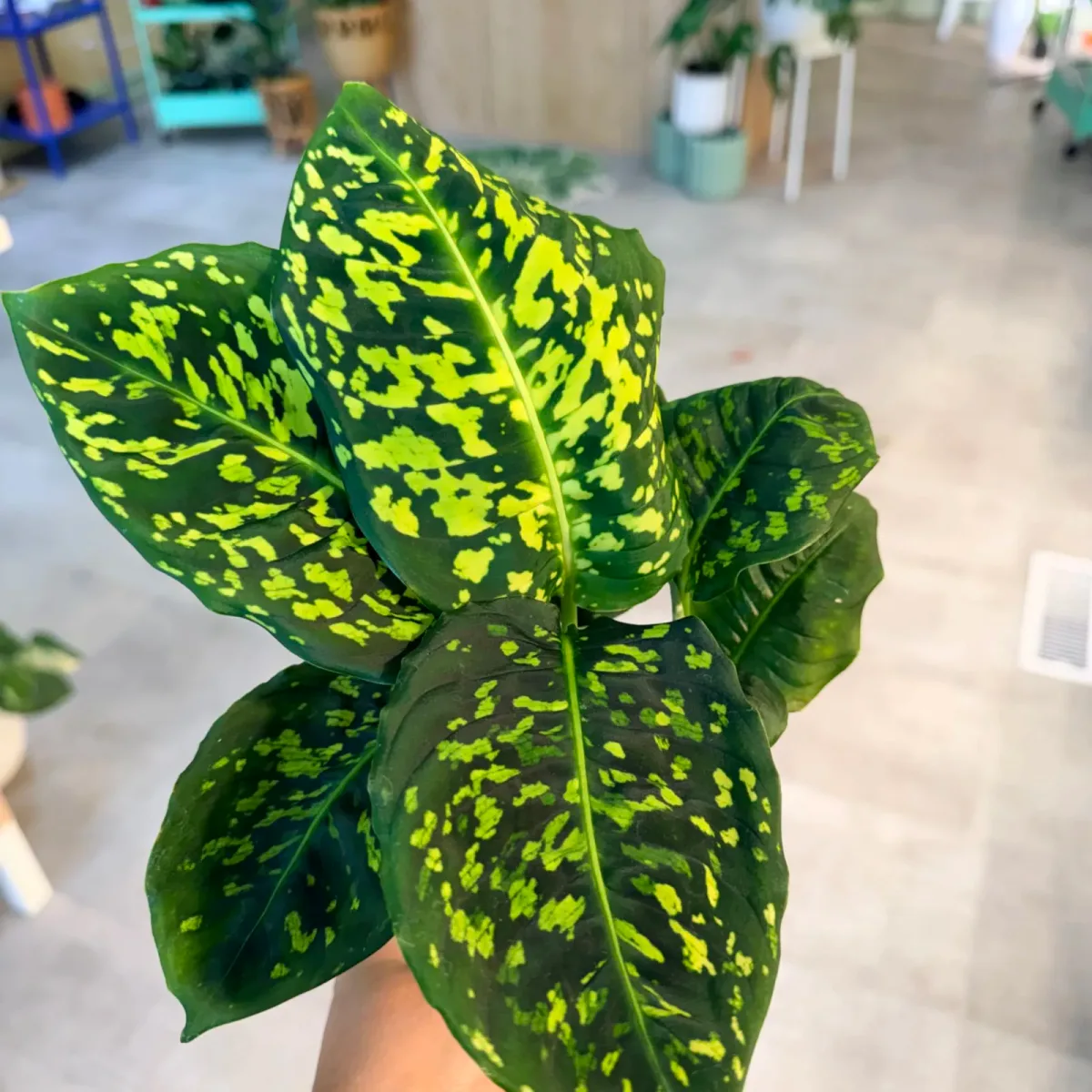
Dieffenbachia thrives in bright indirect light, ideally positioned near a window where it receives filtered sun throughout the day. It tolerates medium light conditions, though growth will slow and leaf patterning may become less vivid. Avoid harsh direct afternoon sun, which can scorch the broad, decorative leaves.
Water
Water when the top half of the soil is dry, allowing excess to drain freely from the bottom of the pot. Dieffenbachia dislikes sitting in water, so empty saucers promptly to prevent root rot. In winter, when growth slows, let the soil dry out a little more between waterings.
Toxicity
Toxic to cats, dogs, and humans. All parts of Dieffenbachia contain insoluble calcium oxalate crystals, which cause intense burning and swelling of the mouth, lips, tongue, and throat upon contact or ingestion, along with drooling, difficulty swallowing, and in severe cases temporary loss of speech. Keep this plant completely out of reach of pets and children, and always wash your hands after handling it. If ingestion is suspected, contact your veterinarian or nearest emergency animal hospital immediately.
Common Problems
Yellowing leaves are the most common complaint and usually point to overwatering or insufficient light; adjust both before assuming a pest problem. Brown, crispy leaf tips are typically caused by low humidity or fluoride in tap water, so try filtered water and a nearby humidifier. Spider mites and mealybugs occasionally move in during dry winter months; inspect the undersides of leaves regularly and treat early with neem oil or insecticidal soap.