Sunlight
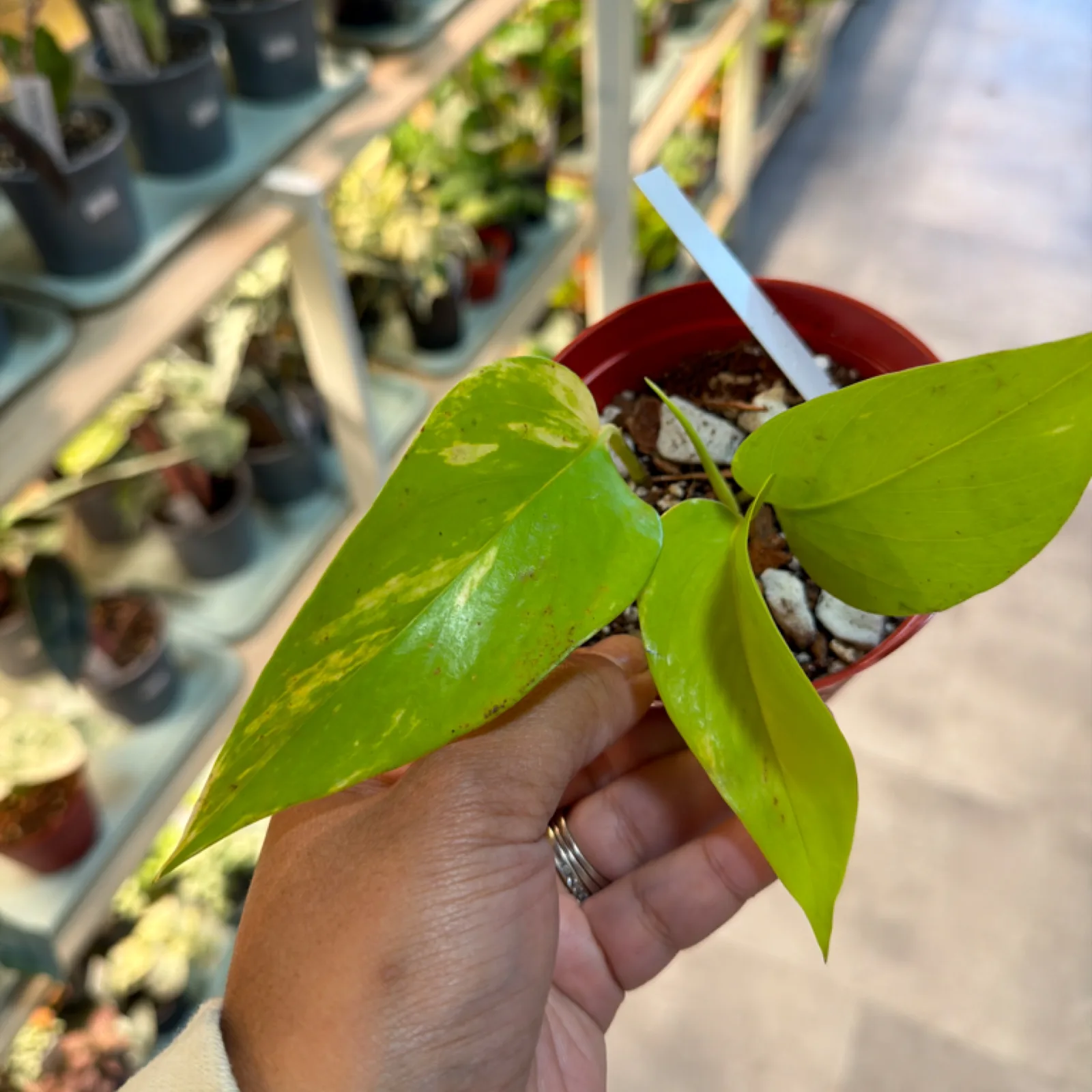
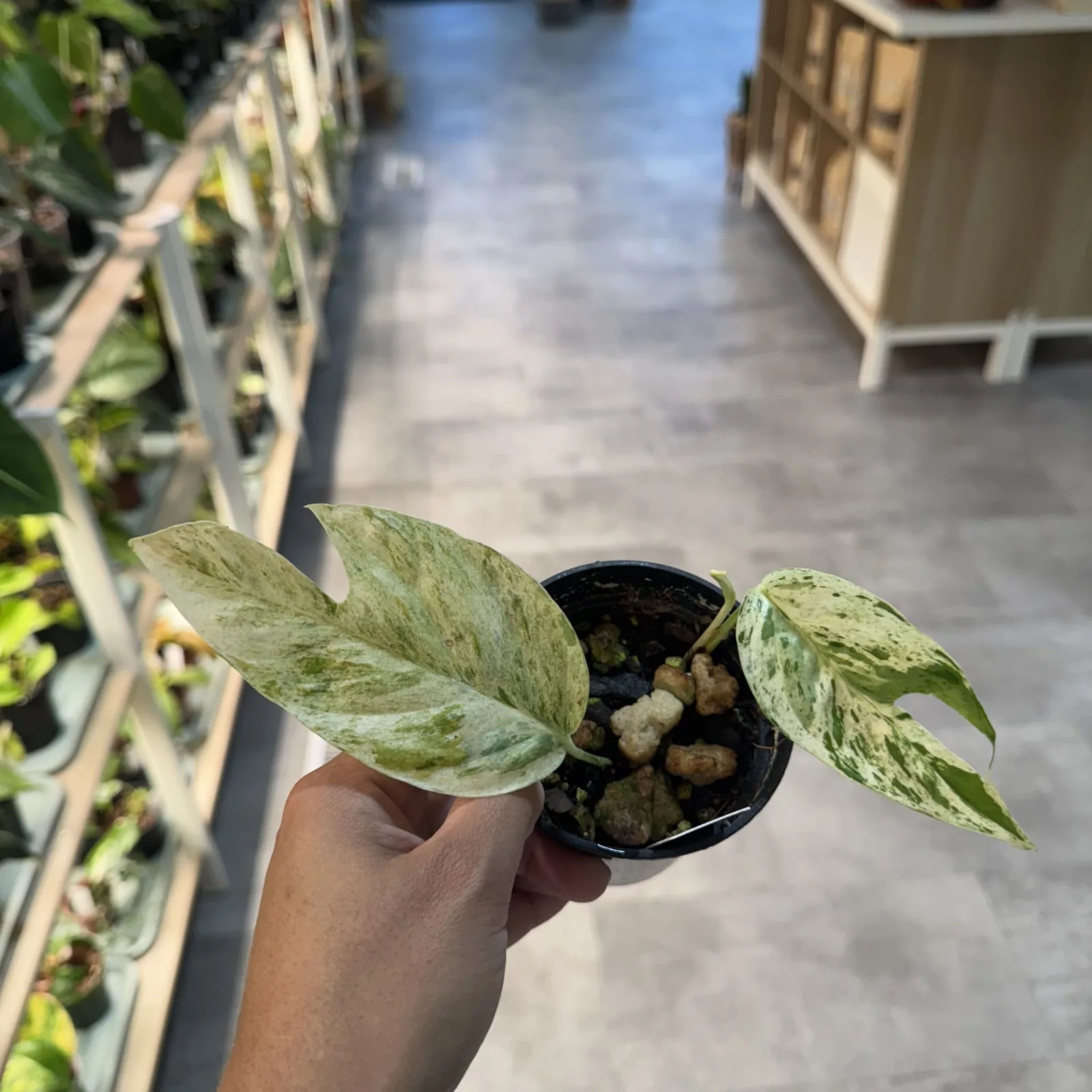
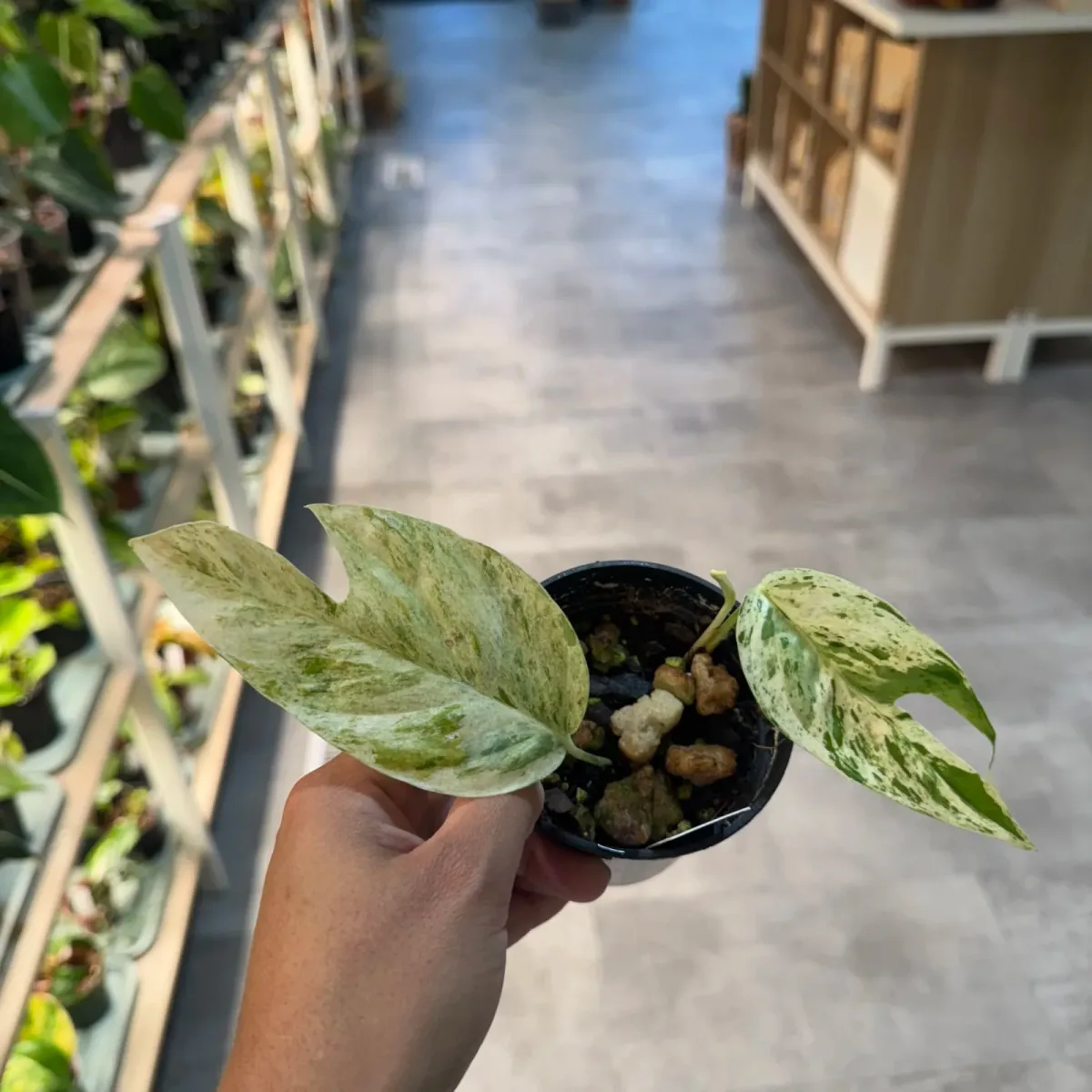
Epipremnum tolerates a wide range of light conditions, from bright indirect light down to low-light corners, though growth slows considerably in dim spots. Variegated cultivars such as golden pothos benefit from brighter light to maintain their contrasting leaf patterns. Avoid direct sun, which scorches and bleaches the leaves quickly.
Water
Water thoroughly when the top half of the soil is dry, then allow the pot to drain fully before returning it to its saucer. Epipremnum is fairly drought-tolerant and recovers well from the occasional missed watering. Overwatering is the more common mistake; soggy soil leads to root rot, so always check the soil before reaching for the watering can.
Toxicity
Toxic to cats, dogs, and humans. All parts of Epipremnum contain insoluble calcium oxalate crystals, which cause intense oral irritation, burning, drooling, and swelling of the mouth, tongue, and throat if chewed or ingested. Keep this plant well out of reach of pets and children. If ingestion is suspected, contact your veterinarian or nearest emergency animal hospital immediately.
Common Problems
Yellowing leaves are typically a sign of overwatering or poor drainage; reduce watering frequency and ensure the pot has adequate drainage holes. Leggy, sparse stems with large gaps between leaves usually indicate insufficient light, so move the plant closer to a window. Epipremnum can attract mealybugs and spider mites in dry indoor conditions; inspect the stems and leaf undersides regularly and treat infestations with insecticidal soap or neem oil.