Sunlight
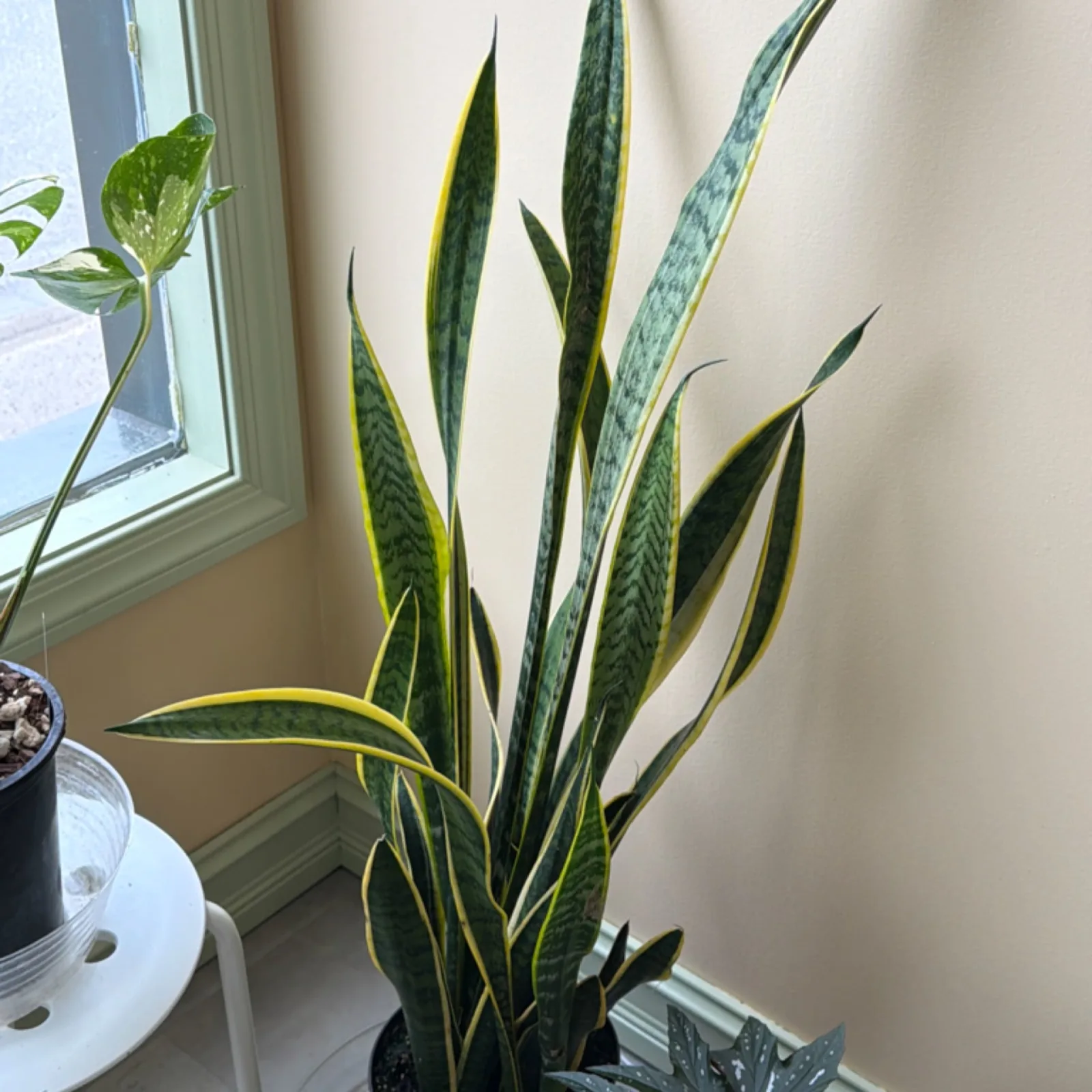
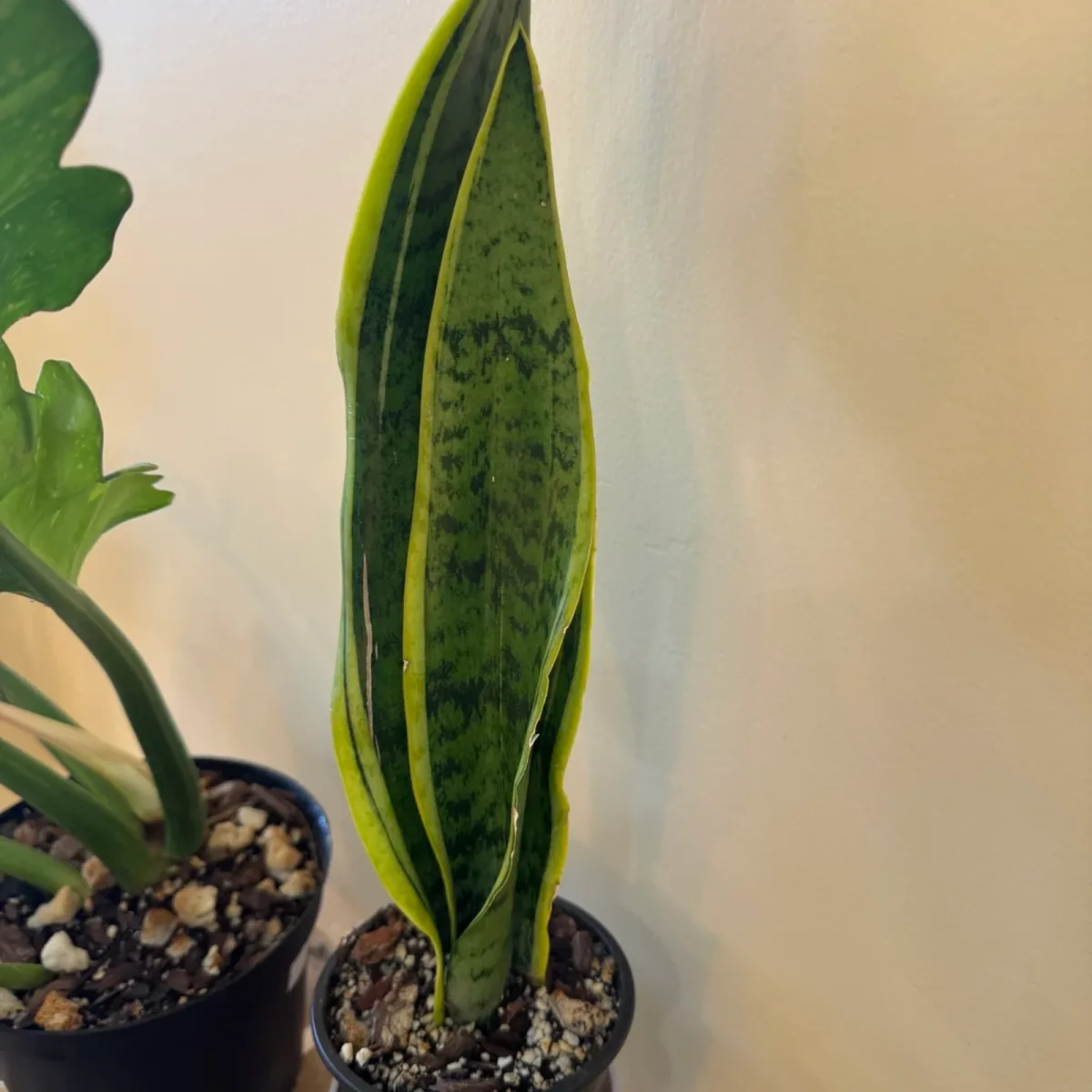
Sansevieria tolerates everything from low light to bright indirect sun, making it one of the most adaptable houseplants you can own. Growth is slowest in dim corners but the plant survives without complaint. For the best leaf colour and most vigorous growth, a spot near a bright window with indirect light is ideal. Avoid prolonged direct afternoon sun, which can scorch the leaf edges.
Water
Sansevieria is a succulent and stores water in its thick leaves, so erring on the side of underwatering is far safer than overwatering. Water when the soil is dry almost all the way down, and then water thoroughly. In winter, you may only need to water once a month or even less. Always ensure the pot has drainage holes, as standing water at the roots is the quickest way to lose this otherwise tough plant.
Toxicity
Toxic to cats and dogs. Sansevieria contains saponins, naturally occurring compounds that cause nausea, vomiting, and diarrhea when ingested. Symptoms are typically gastrointestinal and rarely severe, but any ingestion warrants attention. If you suspect your pet has eaten any part of the plant, contact your veterinarian or nearest emergency animal hospital right away.
Common Problems
Root rot from overwatering is by far the most common problem with Sansevieria; if leaves turn soft and mushy at the base, check the roots and cut away any that are brown and waterlogged before repotting in fresh dry mix. Wrinkling or curling leaves in an otherwise healthy plant usually signal underwatering or very low humidity. Mealybugs occasionally find their way into the tight crevices between leaves; dab them with rubbing alcohol on a cotton swab and follow up with a neem oil treatment if they persist.