Sunlight
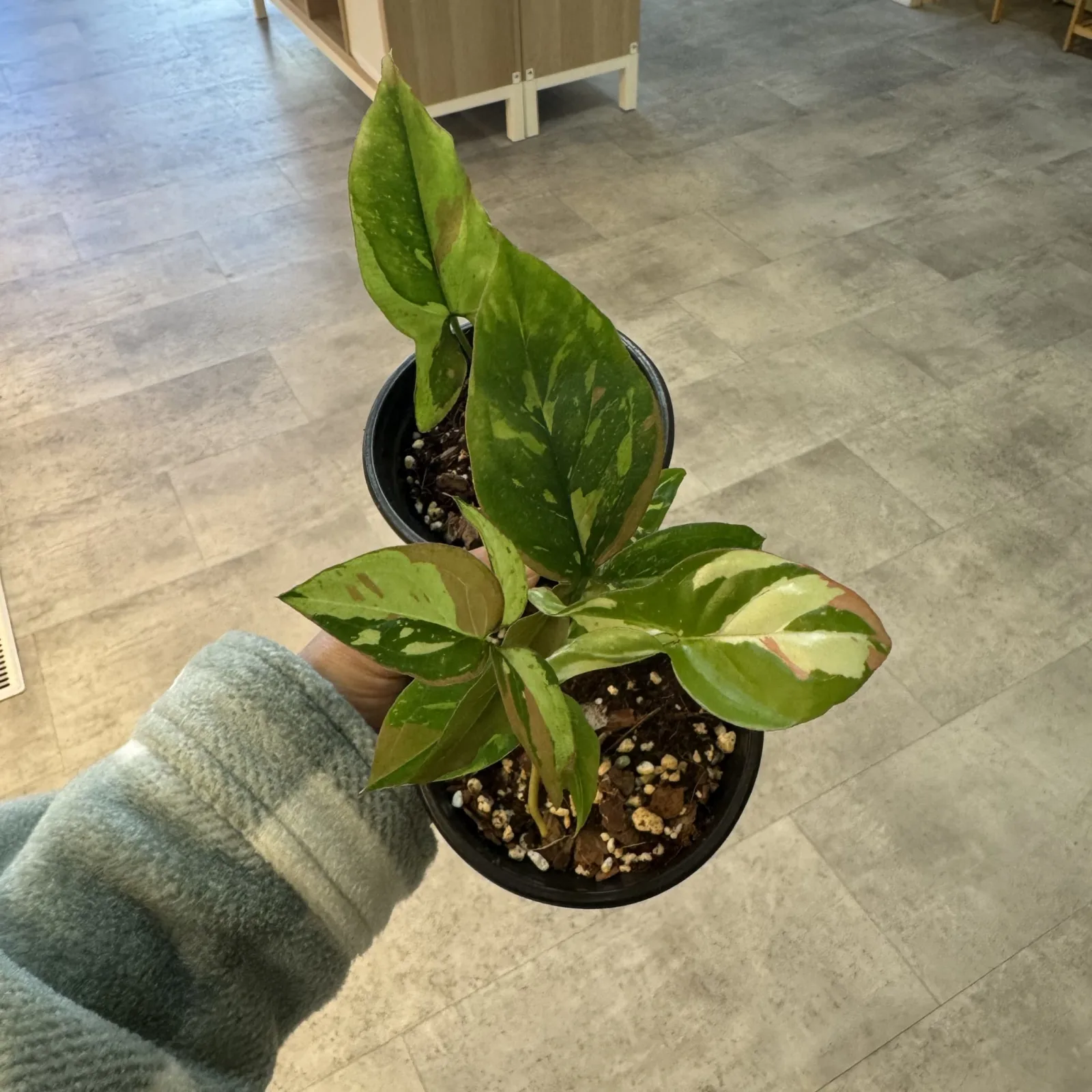
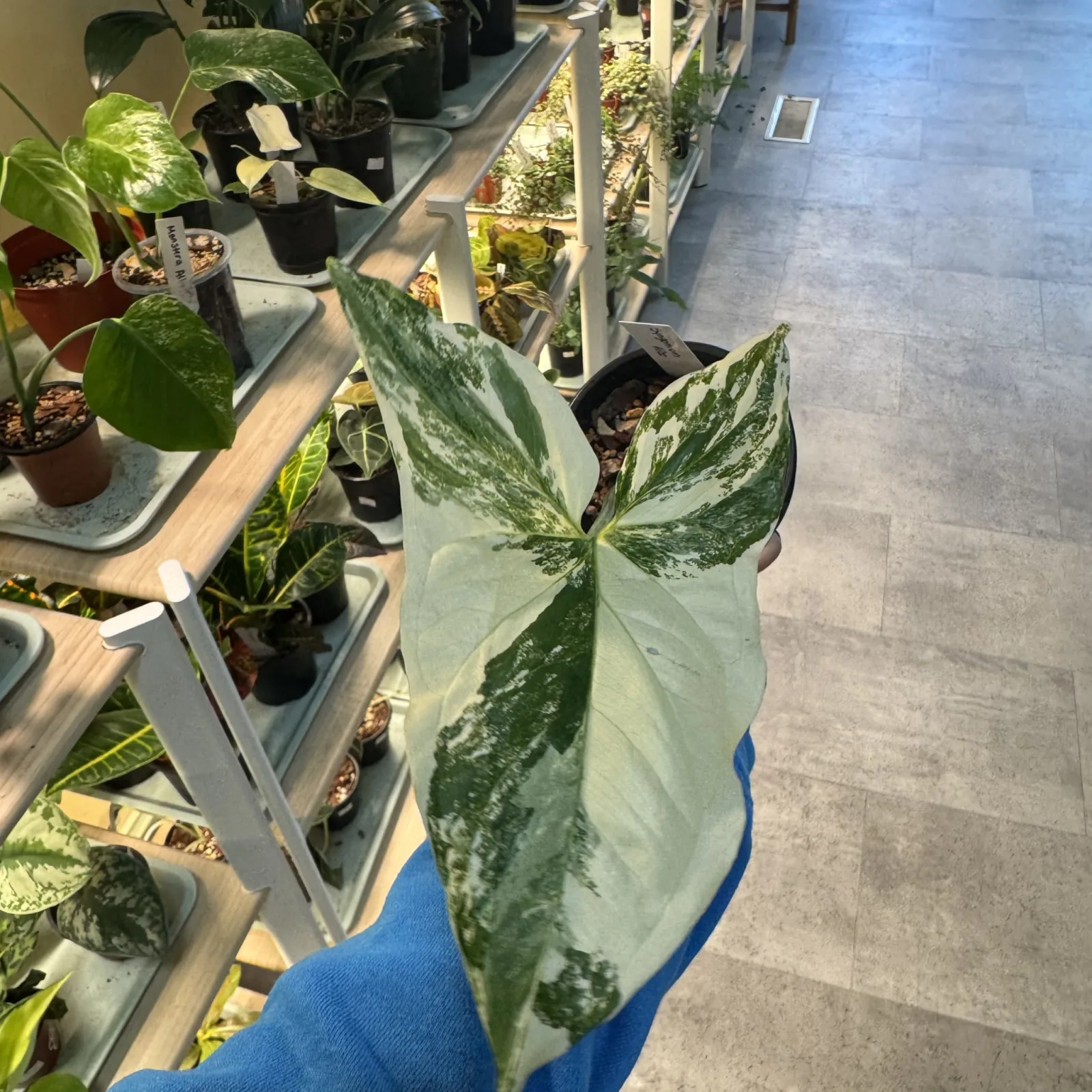
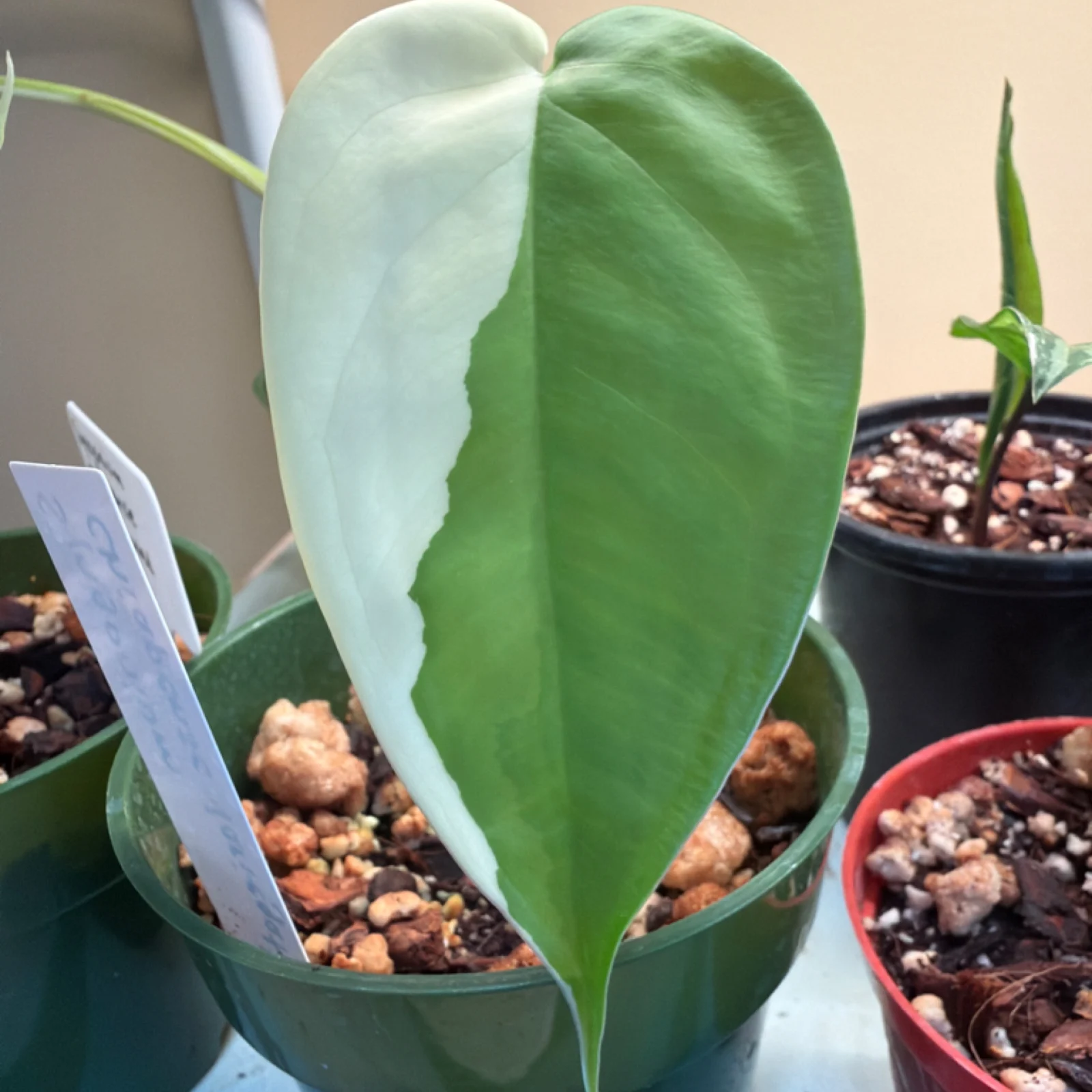
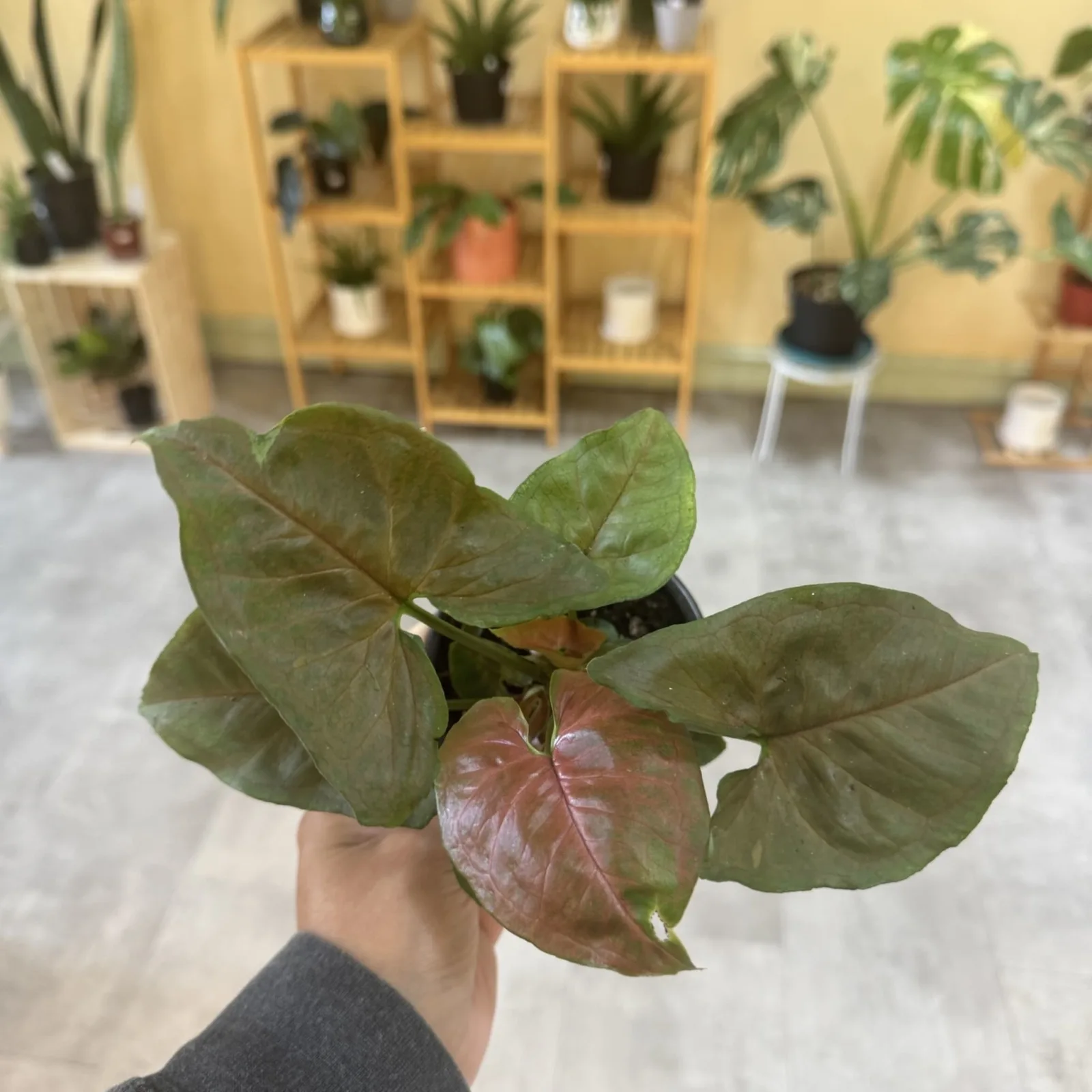
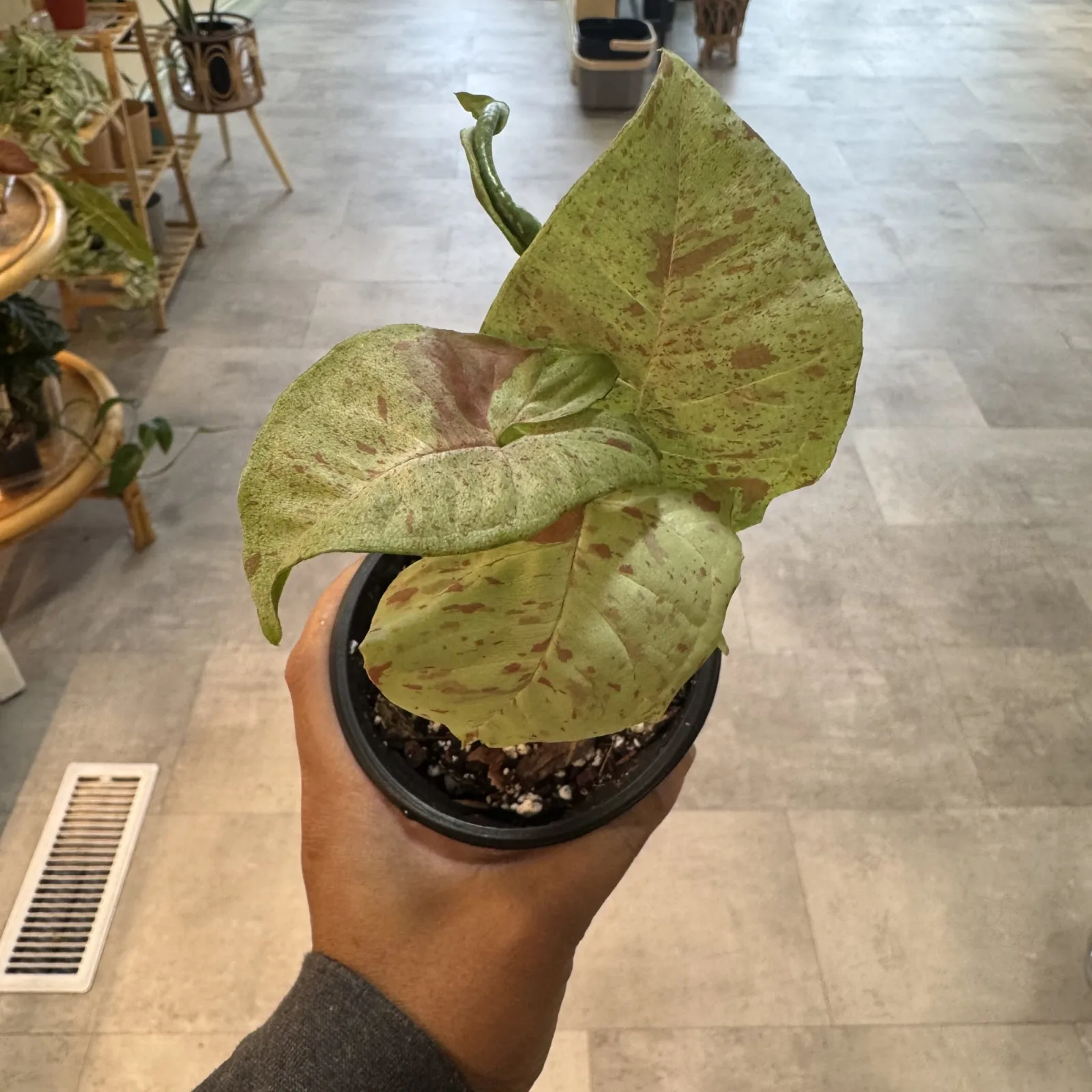
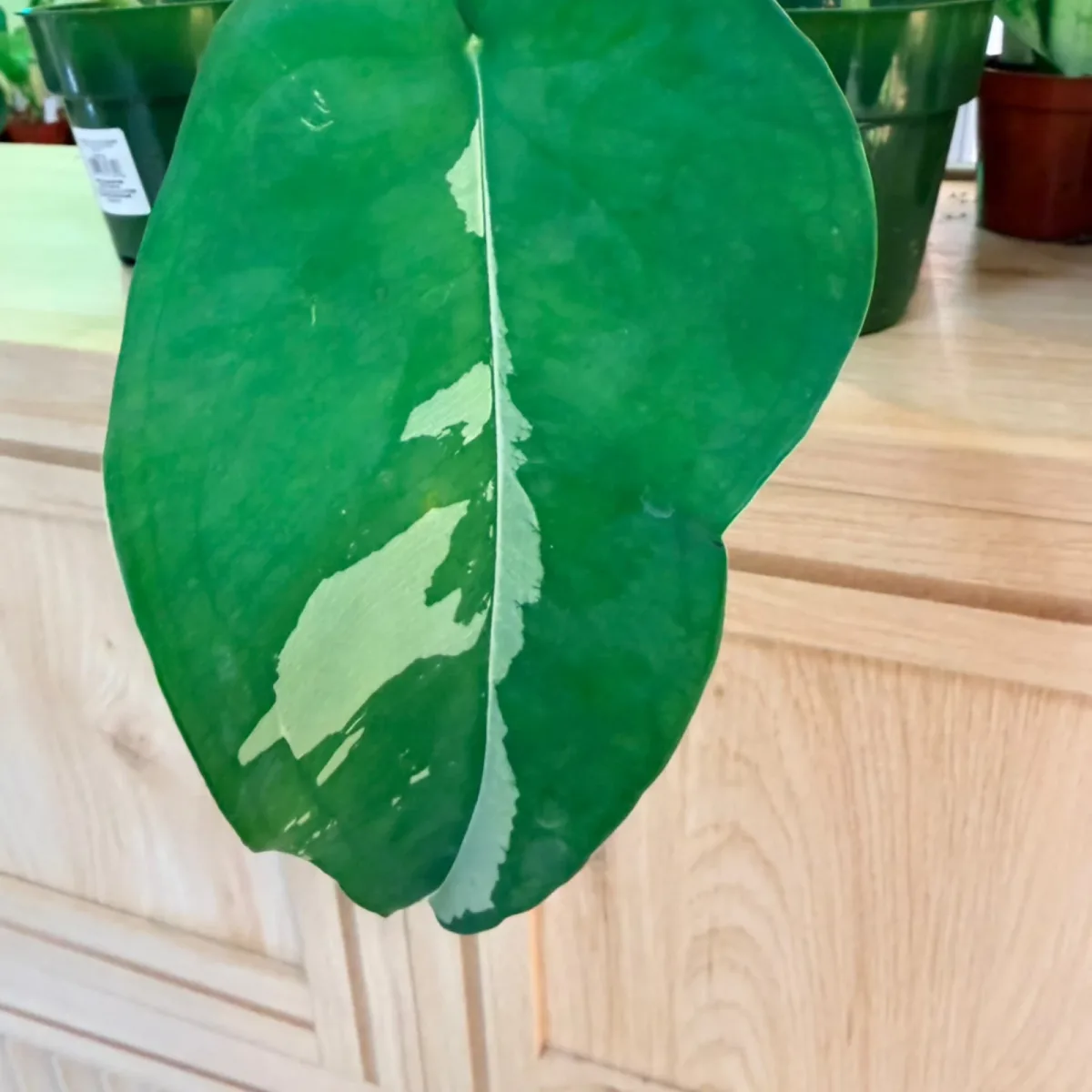
Syngonium performs best in bright to medium indirect light, which keeps the leaf colours vivid and growth steady. Variegated varieties need more light to maintain their patterning, while solid green types tolerate lower light reasonably well. Avoid direct sun, which scorches and bleaches the delicate foliage.
Water
Water when the top half of the soil is dry, then water thoroughly and allow the pot to drain completely. Syngonium prefers consistent moisture but is prone to root rot if left sitting in soggy soil or a saucer full of water. In winter, ease off watering as growth slows and the plant drinks less.
Toxicity
Toxic to cats, dogs, and humans. All parts of Syngonium contain insoluble calcium oxalate crystals, which cause immediate burning and irritation of the mouth, lips, and throat upon contact or ingestion, often accompanied by drooling, pawing at the mouth, and difficulty swallowing. Keep this plant well out of reach of pets and children. If ingestion is suspected, contact your veterinarian or nearest emergency animal hospital right away.
Common Problems
Yellowing leaves are most often a sign of overwatering or poor drainage; let the soil dry a little more between waterings and check that the pot has adequate drainage holes. Leggy, stretched growth with wide spacing between leaves indicates the plant is not getting enough light, so move it closer to a bright window. Spider mites and mealybugs are the most common pest visitors, particularly in dry indoor conditions; inspect foliage regularly and treat early with neem oil or insecticidal soap.